
Nursing Home Bedsore Lawyer Rockville Centre, NY
If your loved one developed bedsores in a nursing home, you’re looking at evidence of neglect. At Isaacson, Schiowitz & Korson, LLP, we represent families whose loved ones suffered harm in nursing homes. Our Rockville Centre, NY nursing home bedsore lawyer understands how these injuries develop and what evidence proves neglect. We’ve handled nursing home cases since 1978, and we know how to hold facilities accountable.
Why Choose Isaacson, Schiowitz & Korson, LLP for Your Nursing Home Bedsore Case in Rockville Centre, NY?
Understands Medical Evidence in Neglect Cases
Bedsore cases require medical knowledge. We work with physicians and wound care specialists who can review medical records, evaluate the progression of injuries, and testify about whether the facility provided adequate care.
Nursing homes defend these cases by claiming residents developed unavoidable pressure injuries due to underlying conditions. That defense fails when the evidence shows the facility didn’t follow basic protocols.
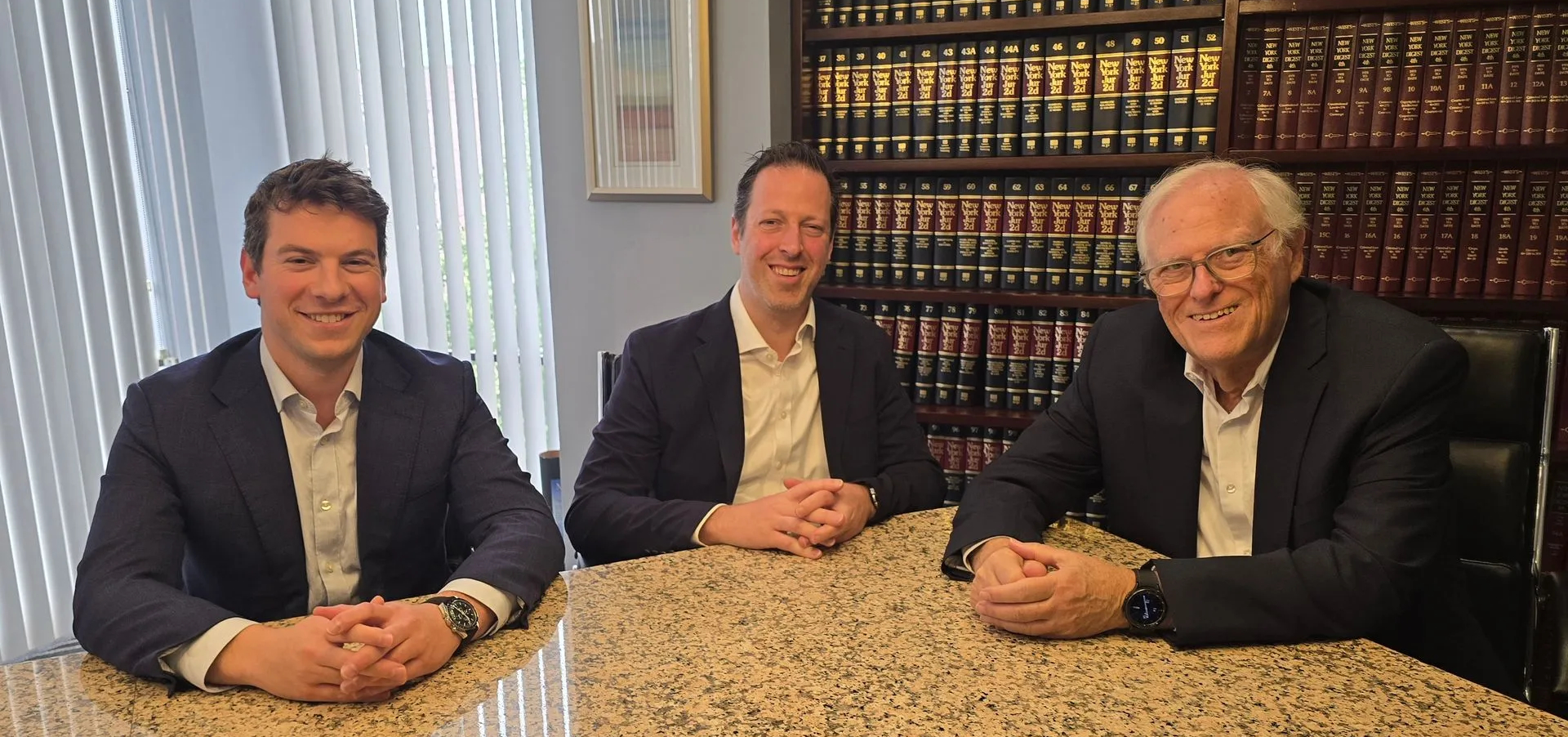
Martin Schiowitz has handled medical negligence cases for over 50 years. He co-founded this firm in 1978 and has pursued claims against hospitals, physicians, and long-term care facilities throughout his career. Martin is a member of the New York State Trial Lawyers Association and the New York State Academy of Trial Lawyers. His peers have selected him as a Super Lawyer, recognition given to the top 5% of attorneys.
Jeremy Schiowitz brings over 16 years of litigation experience. He handles discovery, depositions, motion practice, and trial preparation in complex cases requiring medical testimony. Jeremy graduated from Brooklyn Law School and holds licenses in New York and New Jersey. He’s been a Super Lawyer every year since 2014.
When you need a personal injury attorney in Rockville Centre for a nursing home neglect claim, experience with medical evidence matters.
A Track Record in Nursing Home Cases
Our firm has recovered millions of dollars for injury victims, including those harmed by medical negligence and nursing home neglect. We’ve handled premises liability cases resulting in seven-figure recoveries. Nursing home bedsore cases involve similar evidentiary challenges and damage calculations.
Investigates Facility Patterns
Individual bedsore cases often reflect systemic problems. We investigate staffing levels, training records, prior complaints, and state inspection reports. If the facility has a pattern of neglect, that evidence strengthens your claim and increases accountability.
The Centers for Medicare and Medicaid Services maintains public records of nursing home deficiencies. State health departments conduct inspections and issue citations. We obtain these records to show whether your loved one’s injuries were isolated or part of broader failures. Understanding nursing home negligence patterns helps families recognize warning signs.
Contingency Fee Representation
No upfront costs. No hourly billing. We advance investigation expenses. Our fee comes from a percentage of your recovery. If we don’t win, you owe no attorney fees.
What Our Clients Say
⭐⭐⭐⭐⭐
“Jeremy Shiowitz is a superb lawyer with tremendous experience and knows how to get the job done. Jeremy is very helpful and responsive as well. Great man of character and easy to get along with. I made the right choice by choosing Jeremy to represent my son in his case.” — Victor Cortes
Read more reviews on our Google Business Profile.
Types of Nursing Home Bedsore Cases We Handle in Rockville Centre
Bedsores, also called pressure ulcers or decubitus ulcers, develop in stages. The severity affects both the harm to your loved one and the strength of your legal claim. Understanding that bedsores are preventable is essential to understanding facility liability.
- Stage 1 pressure injuries. Skin is intact but discolored, typically red in lighter skin tones. The area may feel warmer or firmer than surrounding tissue. Stage 1 injuries signal that pressure is causing damage and intervention is needed.
- Stage 2 pressure injuries. Partial thickness skin loss. The wound may look like an open blister, shallow crater, or abrasion. Stage 2 injuries are painful and indicate that the facility failed to address Stage 1 warning signs.
- Stage 3 pressure injuries. Full thickness skin loss extending into subcutaneous tissue. Fat may be visible, but bone, tendon, and muscle are not exposed. These wounds require aggressive medical treatment.
- Stage 4 pressure injuries. Full thickness tissue loss with exposed bone, tendon, or muscle. These wounds are life-threatening. They require surgical intervention, often including debridement or skin grafts. Infection risk is extreme.
- Unstageable pressure injuries. Wounds covered by dead tissue (slough or eschar) that prevents accurate staging. Once the wound is debrided, the true depth becomes apparent. Unstageable wounds are often Stage 3 or 4.
- Deep tissue pressure injuries. Intact skin with localized damage to underlying tissue. The area appears purple or maroon. These injuries can rapidly progress to advanced stages.
- General nursing home abuse. Bedsores often accompany other forms of neglect. Malnutrition, dehydration, medication errors, and untreated infections may all be present. We investigate the full scope of neglect. Understanding what nursing home neglect looks like helps families identify problems.
How Bedsores Develop in Nursing Homes
Understanding bedsore development helps identify where the facility failed. Neglect takes many forms, and bedsores represent one of the most visible indicators.
Pressure on Skin
Bedsores develop when prolonged pressure restricts blood flow to skin and underlying tissues. Immobile patients who remain in one position for hours experience tissue damage. The pressure points vary by position: heels, tailbone, hips, shoulder blades, and backs of heads are common sites.
Friction and Shear
Dragging a patient across bedsheets causes friction injuries. Shear occurs when skin moves in one direction while underlying tissue moves in another, such as when a patient slides down in bed. Both contribute to skin breakdown.
Moisture
Incontinence, sweating, and wound drainage expose skin to moisture that causes maceration. Softened skin breaks down more easily under pressure.
Poor Nutrition and Hydration
Adequate protein and calories support skin health and wound healing. Dehydrated patients have less resilient skin. Facilities must monitor nutrition and intervene when residents aren’t eating or drinking adequately.
The Standard of Care
Nursing homes know all of this. Federal regulations and industry standards require facilities to assess residents for pressure ulcer risk, implement prevention protocols, and treat any injuries that develop. The standard of care includes:
- Risk assessments using validated tools like the Braden Scale
- Repositioning immobile residents every two hours
- Using pressure-relieving mattresses and cushions
- Keeping skin clean and dry
- Providing adequate nutrition and hydration
- Conducting regular skin inspections
- Treating early-stage injuries before they progress
When bedsores develop, it usually means multiple failures occurred.
New York Nursing Home Laws
Several legal frameworks govern nursing home care and create accountability when facilities neglect residents.
Federal Nursing Home Regulations
Nursing homes receiving Medicare or Medicaid reimbursement must comply with federal standards under 42 CFR Part 483. These regulations require facilities to ensure residents receive care that maintains the highest practicable physical, mental, and psychosocial well-being.
Specific pressure ulcer requirements appear in the regulations. Facilities must ensure residents don’t develop avoidable pressure ulcers and that any pressure ulcers receive necessary treatment. “Avoidable” means the facility didn’t do what was clinically indicated. Most bedsores are avoidable.
New York Public Health Law
New York’s Public Health Law establishes standards for nursing homes operating in the state. The New York State Department of Health licenses facilities and conducts inspections. Violations result in citations, fines, and potentially license revocation for serious offenders.
Medical Malpractice and Negligence Standards
Claims against nursing homes can proceed under both negligence and medical malpractice theories. The applicable standard affects procedural requirements. Medical malpractice claims require a certificate of merit from a physician. Negligence claims based on staffing failures or supervision lapses may not. Understanding the differences between claims helps families navigate the process.
Statute of Limitations
Most nursing home negligence claims must be filed within three years under CPLR Section 214. Medical malpractice claims have a two-and-a-half-year deadline under CPLR Section 214-a. The applicable deadline depends on how the claim is characterized. Understanding New York statute of limitations rules protects your rights.
If your loved one died from bedsore complications, wrongful death claims must be filed within two years of death.
What Damages Can You Recover in Rockville Centre Nursing Home Bedsore Cases
Bedsore victims and their families may recover substantial damages.
Medical Expenses
Treatment costs for advanced bedsores are significant. Wound care, debridement, skin grafts, hospitalization for infections, and ongoing nursing care. All medical expenses caused by the facility’s neglect are recoverable. Understanding what happens when bills exceed settlements helps with planning.
Pain and Suffering
Bedsores are painful. Stage 3 and 4 wounds cause constant discomfort. Surgical procedures, wound treatments, and prolonged healing add to physical suffering. Emotional distress from disfiguring wounds compounds the harm. Calculating pain and suffering value involves multiple factors.
Wrongful Death
When bedsores cause or contribute to death, surviving family members have wrongful death claims for lost financial support and funeral expenses. The estate can also pursue survival claims for the resident’s pain and suffering before death. Cases involving Alzheimer’s patients require particular attention.
Punitive Damages
In cases involving gross negligence, reckless disregard for resident safety, or intentional misconduct, punitive damages may be available. These damages punish the facility and deter future neglect.
Signs of Nursing Home Neglect Beyond Bedsores
Bedsores often accompany other indicators of neglect. Watch for these warning signs.
Unexplained weight loss. Rapid weight loss suggests inadequate nutrition or untreated illness.
Dehydration. Dry mouth, cracked lips, dark urine, confusion. Dehydration contributes to skin breakdown and indicates failure to provide basic care.
Poor hygiene. Dirty clothing, unwashed hair, body odor, soiled bedding. These indicate staffing failures.
Untreated infections. Urinary tract infections, respiratory infections, and wound infections that go untreated become serious quickly.
Medication errors. Missed doses, wrong medications, overmedication causing sedation. These errors have serious consequences.
Unexplained injuries. Bruises, fractures, and lacerations without adequate explanation may indicate abuse or dangerous conditions. Slip and fall injuries in nursing homes often result from inadequate supervision.
Changes in behavior. Withdrawal, fear, agitation, or depression may signal abuse or neglect.
Steps to Take If Your Loved One Developed Bedsores
Protecting your family member and preserving evidence for potential legal claims requires prompt action.
Document the injuries. Photograph the bedsores. Get close-up images showing wound severity and location. Take photos at multiple times to document progression or healing.
Request medical records. You or your loved one’s healthcare proxy should request complete medical records from the facility. These records document assessments, care plans, and nursing notes.
Report to the state. File a complaint with the New York State Department of Health. Complaints trigger investigations that create official records of facility deficiencies.
Consider moving your loved one. If the facility is providing inadequate care, transfer to a better facility may be necessary. Your loved one’s safety comes first.
Don’t sign anything from the facility. Nursing homes sometimes ask families to sign documents after incidents. Don’t sign anything without legal review.
Consult a nursing home bedsore attorney. We can evaluate the strength of your claim, help preserve evidence, and advise on next steps. Understanding what to expect in a civil case helps families prepare. Hiring an attorney early protects your rights.
Nursing Home Bedsore Statistics
Bedsores remain a persistent problem in long-term care facilities despite being largely preventable.
According to the Agency for Healthcare Research and Quality, pressure ulcers affect approximately 2.5 million patients annually in the United States. Nursing home residents face particular risk due to age, immobility, and chronic health conditions.
The Centers for Disease Control and Prevention reports that roughly 1.4 million people reside in nursing homes nationally. Even small percentage rates of pressure ulcer development translate to hundreds of thousands of affected residents.
Mortality rates for advanced bedsores are significant. Stage 4 pressure ulcers have mortality rates approaching 60% within one year according to medical literature. The wounds create pathways for infection, and many nursing home residents lack the physiological reserves to fight serious infections.
CMS data shows continued deficiency citations related to pressure ulcer prevention and treatment at nursing homes nationwide. Despite regulatory requirements, facilities continue to fail residents.
Rockville Centre Nursing Home Bedsore Lawyer FAQs
Are all bedsores caused by neglect?
Not all, but most are preventable with proper care. Facilities often claim injuries were unavoidable due to the resident’s health. That defense fails when the evidence shows inadequate prevention protocols.
What evidence proves the nursing home was negligent?
Medical records showing failure to conduct assessments, missing repositioning logs, inadequate care plans, understaffing documentation, and prior state citations all support negligence claims. Understanding how to prove liability is essential.
Can I sue if my loved one already passed away?
Yes. Wrongful death claims and survival claims allow families to pursue compensation even after the resident dies.
How long do I have to file a claim?
Deadlines range from two to three years depending on how the claim is characterized. Wrongful death claims have a two-year deadline. Consulting an attorney promptly protects your rights.
How much is a bedsore case worth?
It depends on injury severity, medical expenses, pain and suffering, and whether death resulted. Stage 4 bedsores causing death have substantially different values than Stage 2 injuries that healed.
Will I have to testify against the nursing home?
Most cases settle before trial. If trial becomes necessary, family members typically testify about the resident’s condition and their observations.
Can I still pursue a claim if my loved one signed an arbitration agreement?
Arbitration agreements complicate but don’t necessarily prevent claims. The enforceability depends on circumstances. We can evaluate agreements and advise on options.
What if my loved one had other health problems?
Underlying health conditions don’t excuse neglect. Facilities must provide appropriate care given each resident’s condition. Frailty increases the duty of care, not reduces it.
How do I get my loved one’s medical records?
As healthcare proxy or next of kin, you can request records directly from the facility. If they resist, an attorney can help compel production.
Should I report the facility to the state?
Yes. Complaints to the Department of Health create official records and trigger investigations. These records support your civil claim.
What if the nursing home claims my loved one refused care?
Facilities sometimes document that residents refused repositioning or treatments. These claims require scrutiny. Confused residents can’t meaningfully refuse care, and facilities have obligations regardless.
Do you investigate staffing levels?
Yes. Understaffing is a leading cause of nursing home neglect. We investigate staffing ratios, turnover, and training records.
Can family members recover for their emotional distress?
New York limits emotional distress recovery to direct victims. Family members recover through wrongful death claims for their losses, not for their own emotional suffering.
What if my loved one is still in the nursing home?
You can pursue claims while they remain a resident. However, consider whether transfer to a better facility is advisable for their safety.
Do you handle cases outside Rockville Centre?
Yes. We represent nursing home neglect victims throughout Nassau County, Long Island, and New York City.
Local Resources for Rockville Centre Nursing Home Bedsore Victims
Medical Facilities:
- Mercy Hospital, Rockville Centre, (516) 705-2525
- Nassau University Medical Center, East Meadow, (516) 572-0123
State Agencies:
- New York State Department of Health, nursing home complaints and inspection reports
- New York State Long Term Care Ombudsman, advocacy for nursing home residents
Federal Resources:
- Medicare Nursing Home Compare, facility ratings and inspection results
Disclaimer: Listing these resources does not constitute an endorsement by Isaacson, Schiowitz & Korson, LLP.
Contact Isaacson, Schiowitz & Korson, LLP
Bedsores represent a failure of care that should never happen. When nursing homes neglect vulnerable residents, families have the right to hold them accountable. If your loved one developed bedsores in a nursing home in Rockville Centre, NY, or anywhere in Nassau County, our attorneys can evaluate your claim. We’ll review the circumstances, examine available evidence, and give you an honest assessment. If you proceed with a claim, you pay no attorney fees unless we recover money for you. Contact us today to discuss your nursing home bedsore case.