
Nursing Home Abuse Lawyer Rockville Centre, NY
If something feels wrong about your loved one’s care, trust that instinct. Nursing homes in New York collect thousands of dollars monthly from families and insurance programs. That money is supposed to pay for adequate staffing, proper training, and attentive care. When facilities pocket profits while cutting corners on resident welfare, residents get hurt.
At Isaacson, Schiowitz & Korson, LLP, we’ve spent decades holding nursing homes accountable for what happens inside their walls. Our Rockville Centre, NY nursing home abuse lawyer has seen the tactics facilities use to deflect blame, and we know how to cut through them. We have been handling cases like yours for over decades.
Why Choose Isaacson, Schiowitz & Korson, LLP for Your Nursing Home Abuse Case in Rockville Centre, NY?
We Understand Medical Records and What They Should Show
Nursing home cases are based on documentation. Charting that looks complete to families often reveals glaring omissions to trained eyes. We work with physicians and nurses who review these records and can testify about what proper care requires. Understanding what nursing home neglect actually looks like in the paperwork requires this kind of specialized knowledge.
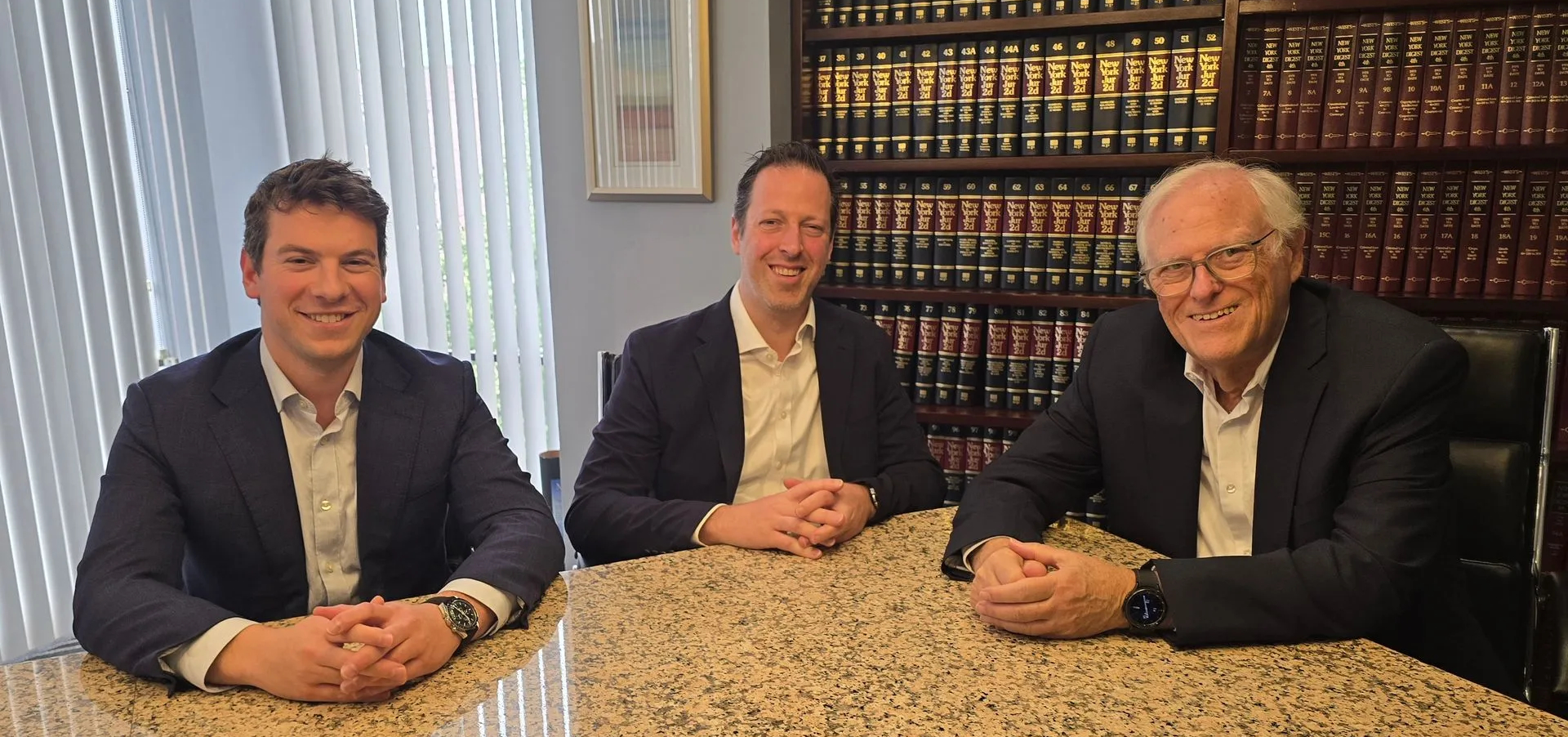
Martin Schiowitz started handling medical negligence cases before many nursing home chains even existed. He co-founded this firm back in 1978 and has pursued claims against hospitals, doctors, and long-term care facilities ever since. Fifty years of practice teaches you things that can’t be learned from textbooks. Martin belongs to the New York State Trial Lawyers Association and sits on the New York State Academy of Trial Lawyers. His peers have consistently selected him as a Super Lawyer, putting him in the top 5% of attorneys statewide.
Jeremy Schiowitz handles the intensive discovery work these cases demand. Deposing administrators who claim ignorance. Subpoenaing staffing records that facilities don’t want to produce. Building timelines that show exactly when care broke down. He earned his degree at Brooklyn Law School and practices in both New York and New Jersey. Jeremy has carried the Super Lawyer designation every year since 2014.
When you need a personal injury attorney in Rockville Centre who can navigate the intersection of medicine and law, that experience matters enormously.
Pattern Evidence Strengthens Individual Cases
Unfortunately, your loved one is likely not the only neglected patient. If the facility was cutting staffing to boost margins, other residents suffered too. State inspection reports might show citations for the same deficiencies going back years. Former employees might describe systemic problems management refused to address.
The Centers for Medicare and Medicaid Services tracks deficiency data for every certified nursing home in the country. State health departments conduct their own inspections and issue findings. We pull these records. When a facility has been cited repeatedly for inadequate staffing or failure to prevent pressure ulcers, that history supports your claim. It shows this wasn’t an isolated incident but part of ongoing patterns of neglect.
Results That Reflect Serious Litigation Capability
Our firm has recovered millions of dollars across a range of serious injury cases. Medical negligence claims. Premises liability matters that share evidentiary challenges with nursing home cases. Multiple six and seven-figure outcomes. Facilities and their insurers check litigation histories before making settlement decisions. They know which firms actually try cases and which ones fold under pressure.
You Pay Nothing Unless We Win
We don’t bill hourly. There’s no retainer. Investigation costs, expert witness fees, court expenses are advanced by our firm. Our fee comes as a percentage of the settlement we recover. If the case doesn’t result in compensation, you owe us nothing for legal services.
What Our Clients Say
⭐⭐⭐⭐⭐
“They gave me excellent service. They were kind, respectful and professional and were always there for me throughout this process. Jeremy was very patient and his law firm were always very professional each and every time I called them he always returned my phone calls right away. I would definitely refer my family and friends to his law firm. Thank You Jeremy for your outstanding service and support!! My outcome was very favorable” — Diane Long
Read more reviews on our Google Business Profile.
Types of Nursing Home Abuse Cases We Handle in Rockville Centre
Abuse and neglect manifest in different ways. Sometimes the harm is obvious. Sometimes it takes months to recognize. We handle all of the following situations.
Physical abuse. Staff members hit residents. They grab arms hard enough to leave bruises. Restraints get applied too tightly or used punitively rather than for safety. Other residents attack vulnerable neighbors while staff ignore the warning signs. When your parent comes back from a facility visit with injuries nobody can explain, something happened that shouldn’t have.
Emotional cruelty. Yelling at confused residents. Mocking incontinence. Threatening to withhold food or medication. Isolating residents from social activities as punishment. The psychological wounds don’t photograph as easily as bruises, but they’re just as real. Families notice personality changes, withdrawal, depression that appeared after admission.
Sexual assault. It happens more than anyone wants to acknowledge. Residents with dementia cannot consent and may not be able to articulate what occurred. Staff members, other residents, and outside visitors have all been perpetrators. Physical examinations and behavioral changes provide evidence when victims cannot speak for themselves.
Theft and financial exploitation. Missing jewelry that was there last visit. Withdrawals from bank accounts the resident can’t explain. Pressure to change beneficiary designations or sign over assets. Staff and even family members sometimes exploit access to vulnerable adults.
Medical neglect. The facility ignores symptoms that should trigger physician notification. Medications get skipped or administered incorrectly. Infections progress untreated until they become life-threatening. Chronic conditions deteriorate because nobody bothered with monitoring. This kind of neglect kills people, sometimes slowly and sometimes quickly.
Failure to meet basic needs. Residents sit in soiled clothing for hours because nobody responds to calls. Meal trays get removed before residents finish eating. Dentures disappear and aren’t replaced. Hearing aids stop working and nobody follows up. Bedsores develop because repositioning schedules exist only on paper.
Dangerous medication practices. Wrong drug. Wrong dose. Wrong patient. Doses given hours late or not at all. Overmedication to keep residents sedated and easier to manage. Each of these errors can cause serious harm.
Preventable falls. The resident has documented fall risk. Care plans call for supervision during transfers. But staff are stretched too thin to follow protocols, so the resident falls. Hips fracture. Heads strike floors. These falls cause injuries that accelerate decline and death.
Wandering and elopement. Residents with cognitive impairment walk out of facilities that should have secured exits. They’re found hours later, exposed to weather extremes. Some are struck by vehicles. Some are never found. The technology to prevent elopement exists and isn’t expensive. Facilities that skip it bear responsibility for the consequences.
Resident-on-resident violence. Aggressive residents need monitoring and sometimes separation from vulnerable neighbors. When facilities fail to assess risks and intervene appropriately, one resident hurts another. The facility’s negligent supervision caused that harm.
The Regulatory Framework for Nursing Homes
Multiple layers of law create standards that facilities must meet. Violations of these standards support claims for damages.
What Federal Law Requires
Any nursing home accepting Medicare or Medicaid reimbursement must comply with federal conditions of participation under 42 CFR Part 483. The regulations run for pages, but certain requirements matter most in abuse and neglect cases.
Facilities must provide sufficient nursing staff with the right competencies to meet each resident’s needs. They must protect residents from abuse, neglect, and theft of their property. They must ensure residents receive proper treatment and care for medical conditions. Residents should attain and maintain their highest practicable physical and mental functioning. Pressure ulcers that could have been avoided with proper care violate federal standards.
These aren’t aspirational goals. They are legal requirements. When CMS surveyors find deficiencies, facilities face citations, fines, and potentially loss of certification. Those same violations support civil claims for damages.
New York State Oversight
The New York State Department of Health licenses nursing facilities and conducts its own inspections. State regulations impose staffing minimums and require facilities to report abuse incidents. Significant violations can result in civil penalties, admission freezes, and license revocation.
The Long Term Care Ombudsman program operates separately from DOH. Ombudsmen investigate complaints, advocate for residents, and document problems. Their reports create records that support legal claims.
Criminal Consequences
Severe abuse constitutes criminal conduct, and may lead to assault charges, criminal neglect prosecutions, theft, and exploitation cases. District attorneys don’t pursue every case, but criminal investigations and convictions provide powerful evidence for civil claims.
Time Limits for Filing Claims
Negligence claims generally must be filed within three years under CPLR Section 214. If the claim falls under medical malpractice, the deadline shortens to two and a half years under CPLR Section 214-a. Understanding New York’s limitation periods matters because missing deadlines destroys otherwise valid claims.
Wrongful death actions have only a two-year window from the date of death.
Compensation Available in Nursing Home Abuse Cases
Families pursue these cases for accountability, but compensation also matters. It pays for better care going forward. It holds facilities financially responsible for the harm they caused.
Medical Treatment Costs
Abuse and neglect generate medical expenses. Common examples are:
- Hospitalizations for infections that started in the facility
- Wound care for bedsores that never should have developed
- Surgery to repair fractures from unwitnessed falls.
- Rehabilitation after setbacks caused by neglect.
All of these costs are recoverable. Understanding how medical bills factor into settlements helps families plan.
Pain and Suffering
Pain and suffering can encompass physical pain from injuries, emotional anguish from abuse, fear and anxiety during the period of mistreatment, and loss of dignity from being neglected and degraded. Calculating what pain and suffering claims are worth requires analysis of the specific circumstances and their impact.
Wrongful Death Damages
When abuse or neglect causes death, the estate can pursue survival claims for what the resident endured before dying. Families can pursue wrongful death claims for their own losses, such as the companionship they’ll never have again and the financial contributions the deceased would have made. Cases involving Alzheimer’s patients who died from neglect require particular attention to how cognitive impairment affected the resident’s ability to report problems.
Punitive Awards
When conduct goes beyond negligence into intentional harm or reckless indifference to human welfare, punitive damages become available. These awards punish egregious behavior and deter other facilities from similar conduct. Not every case supports punitive claims, but some absolutely do.
Warning Signs That Demand Attention
Recognizing abuse early limits harm. Watch for these indicators during visits.
Physical evidence speaks loudly. Look out for:
- Bruises in unusual locations.
- Grip marks on arms.
- Weight dropping month after month.
- Bedsores that appear and worsen.
- Poor hygiene when the resident can’t manage self-care.
- Dehydration signs like cracked lips and dark urine.
Behavioral shifts matter equally, like fear or flinching around specific staff members, reluctance to speak when employees are present, and withdrawal from activities previously enjoyed.
Environmental red flags reveal facility priorities. Observe how long call lights go unanswered, take note of persistent odors, and record signs of general disrepair.
Financial anomalies warrant investigation, such as personal items going missing, unexplained bank transactions, or pressure regarding powers of attorney or estate documents.
Documentation problems suggest cover-ups. The facility may be hiding negligence or incompetence if:
- Records seem incomplete or inconsistent.
- The staff can’t explain what happened.
- There are incident reports you weren’t told about.
- The staff is resistant to providing information.
What to Do When You Suspect Abuse
Create your own records. Photograph injuries, room conditions, concerning situations. Write down observations with dates, times, specific details. Note staff names when you can get them. This contemporaneous documentation becomes evidence.
Demand medical records. Healthcare proxies and certain family members have legal rights to resident records. The facility must provide them. If they stall or refuse, that resistance itself tells you something.
Report to regulators. File a complaint with the New York State Department of Health. The complaint triggers investigation that creates official findings. Contact the ombudsman program as well. These agencies have authority to enter facilities and examine conditions you might not be able to see.
Consider transfer. If abuse is ongoing and your loved one’s safety is at risk, moving them may be necessary. Document conditions thoroughly before the move. A good lawyer can advise on timing and evidence preservation.
Don’t sign facility paperwork after incidents. Nursing homes sometimes present documents after problems arise. Releases. Arbitration agreements. Acknowledgments that can be used against you later. Review nothing without legal advice.
Talk to a nursing home abuse attorney. We can coordinate with investigators, preserve evidence, and advise on the strength of potential claims. Understanding what the civil litigation process involves helps families decide how to proceed.
The Numbers Behind Nursing Home Abuse
National data reveals the scope of the problem.
CMS survey data shows thousands of nursing homes receiving deficiency citations annually. Categories include quality of care failures, staffing inadequacies, and abuse prevention violations. Facilities that score poorly often continue operating while residents suffer.
According to the CDC, roughly one in ten Americans over 60 experiences some form of elder abuse. Nursing home residents face elevated risk because of physical frailty, cognitive impairment, and dependence on staff who may be overworked, undertrained, or simply indifferent.
Research consistently shows that abuse and neglect in care facilities go substantially underreported. Victims fear retaliation. Many cannot communicate effectively due to dementia or other conditions. Families who don’t visit frequently may not recognize warning signs.
The National Center on Elder Abuse identifies inadequate staffing as a primary driver of nursing home neglect. Facilities that employ fewer aides per resident see more falls, more pressure ulcers, more medication errors. The correlation isn’t subtle. Staffing costs money, and some facilities prioritize profit over people.
Frequently Asked Questions About Nursing Home Abuse Claims
How can I tell if what’s happening qualifies as abuse legally?
Conduct that causes physical harm, emotional trauma, or financial loss to a resident may constitute actionable abuse or neglect. Failure to provide necessary care and supervision qualifies as neglect even without active mistreatment. If you’re concerned about what you’re seeing, a legal consultation can help clarify.
My mother has dementia and cannot tell me what happened. Does that prevent a claim?
No. We investigate through medical records, staff depositions, surveillance footage when available, physical evidence, and witness accounts. Cognitive impairment limits what the victim can contribute but doesn’t eliminate the case.
The admission paperwork included an arbitration clause. Are we stuck with that?
Arbitration agreements create complications but don’t necessarily block claims. Courts sometimes find these agreements unenforceable, particularly when they were signed under problematic circumstances. We can evaluate specific agreements and advise on options.
What’s the deadline for filing a nursing home abuse lawsuit?
Depending on how the claim is characterized, deadlines range from two to three years. Wrongful death claims must be filed within two years of the death. Consulting promptly protects your ability to pursue all available claims.
Can we pursue a case while my father is still living in the facility?
Yes, though practical considerations arise. If you’re worried about retaliation, we can discuss strategies including transfer to a different facility. Retaliation is illegal, but removing a vulnerable person from a harmful environment may be the priority.
What kind of compensation might be available?
It depends on what happened and what harm resulted. Medical expenses, pain and suffering, and in death cases, wrongful death damages. Cases involving intentional or reckless conduct may support punitive awards. We assess case value after reviewing the specific circumstances.
Will the facility know we’re investigating?
Not necessarily, at least not initially. Families can document conditions, request records, and file regulatory complaints without revealing plans for litigation. Once a lawsuit is filed, the facility will certainly know. We can discuss timing strategies.
What evidence matters most in these cases?
Medical records showing the progression of harm. Staffing logs demonstrating inadequate coverage. State survey reports documenting prior problems. Photographs of injuries or conditions. Witness statements from family members, other visitors, or former employees. The more contemporaneous documentation that exists, the stronger the case.
Do you investigate whether other residents had similar problems?
Yes. Pattern evidence shows that your family member’s situation wasn’t an isolated incident but part of systemic failure. Regulatory history, prior lawsuits, and employee testimony all contribute to this picture.
Do you take cases from outside Rockville Centre?
We represent families throughout Nassau County, across Long Island, and in New York City. Nursing home abuse occurs everywhere, and accountability shouldn’t depend on geography.
Resources for Families Dealing with Nursing Home Abuse in Rockville Centre
Medical Facilities:
- Mercy Hospital, Rockville Centre, (516) 705-2525
- Nassau University Medical Center, East Meadow, (516) 572-0123
State Agencies:
- New York State Department of Health, file nursing home complaints
- New York State Long Term Care Ombudsman, resident advocacy
Federal Resources:
- Medicare Care Compare, facility ratings and inspection results
Disclaimer: These resources are provided for informational purposes. Listing does not constitute endorsement by Isaacson, Schiowitz & Korson, LLP.
Contact Isaacson, Schiowitz & Korson, LLP
When you suspect that a nursing home has harmed your family member through abuse or neglect, waiting to take legal action is not an option. Our attorneys have pursued nursing home accountability for decades. Martin Schiowitz brings over 50 years of experience with medical negligence claims. Jeremy Schiowitz has spent more than 16 years handling the detailed investigation and litigation these cases require. We understand the regulations, we know how to read the records, and we have the resources to take on facilities backed by institutional insurers.
The initial consultation is free. We’ll listen to your concerns, review whatever documentation you have, and give you an honest assessment of whether a claim exists. If you decide to move forward, we handle everything on contingency. You pay no attorney fees unless we recover compensation for your family.
Your loved one deserved better care than they received. Contact us today to discuss what happened and what can be done about it.