
Premises Liability Lawyer Long Island, NY
Property owners on Long Island have a legal obligation to keep their premises reasonably safe. When they don’t, and someone gets hurt because of it, the owner pays. That’s the core of premises liability law in New York. And it applies to every type of property: stores, restaurants, apartment buildings, parking lots, office complexes, government buildings, and private homes.
But these cases are rarely straightforward. The property owner says they didn’t know about the hazard. The insurance company argues you should have watched where you were going. And the defense attorney tries to shift blame to someone else, a contractor, a tenant, a maintenance company, anyone other than the person who actually controlled the property. Sorting through those arguments takes an attorney who understands how premises liability works in practice, not just in theory. At Isaacson, Schiowitz & Korson, LLP, we have represented injury victims on Long Island since 1978. Every premises liability case we take is on contingency. If you need a premises liability lawyer Long Island, NY residents trust, call us for a free consultation. You pay nothing unless we win.
How Premises Liability Law Works in New York
The landmark case that governs all premises liability claims in New York is Basso v. Miller, 40 N.Y.2d 233 (1976). Before Basso, property owners owed different levels of care depending on whether the injured person was an invitee, a licensee, or a trespasser. That system was rigid, confusing, and often unfair. The Court of Appeals threw it out.
Under the current rule, every property owner and occupier in New York owes a single duty: reasonable care under the circumstances. It doesn’t matter whether you were a customer in a store, a guest at someone’s home, or a delivery driver on a commercial property. The question is whether the owner acted reasonably to prevent foreseeable injuries. If they didn’t, and you got hurt, they’re liable.
Proving a premises liability case requires four elements. First, the property owner owed you a duty of care. Second, they breached that duty by failing to maintain safe conditions or failing to warn of a known hazard. Third, that breach caused your injury. Fourth, you suffered actual damages. The hardest element to prove is usually the second one: notice. Did the owner know about the dangerous condition? If not, should they have known? That’s where actual notice and constructive notice come in.
Actual notice means the owner knew about the hazard. A tenant reported a broken step. A customer complained about a wet floor. An employee saw ice accumulating in the parking lot and told the manager.
Constructive notice means the hazard existed long enough that a reasonable property owner exercising ordinary care would have discovered it. A puddle that sat on a supermarket floor for 45 minutes. A cracked sidewalk that had been deteriorating for months. The longer the condition existed, the stronger the constructive notice argument becomes.
The statute of limitations is three years under CPLR § 214. Pure comparative negligence under CPLR § 1411 means you can recover even if you share fault. And if a government entity owns or maintains the property, the 90-day notice of claim deadline under General Municipal Law § 50-e applies.
Why Choose Isaacson, Schiowitz & Korson for Premises Liability Cases?
We Know How to Prove Notice
The defense in a premises liability case almost always comes down to notice. “We didn’t know about it.” Our Long Island injury attorneys know how to prove they did, or that they should have. We pull maintenance logs, inspection records, surveillance footage, prior complaint histories, and incident reports. We depose the employees who were on duty. We find the evidence that shows the hazard was there long enough that any responsible owner would have addressed it.
Experienced Trial Attorneys
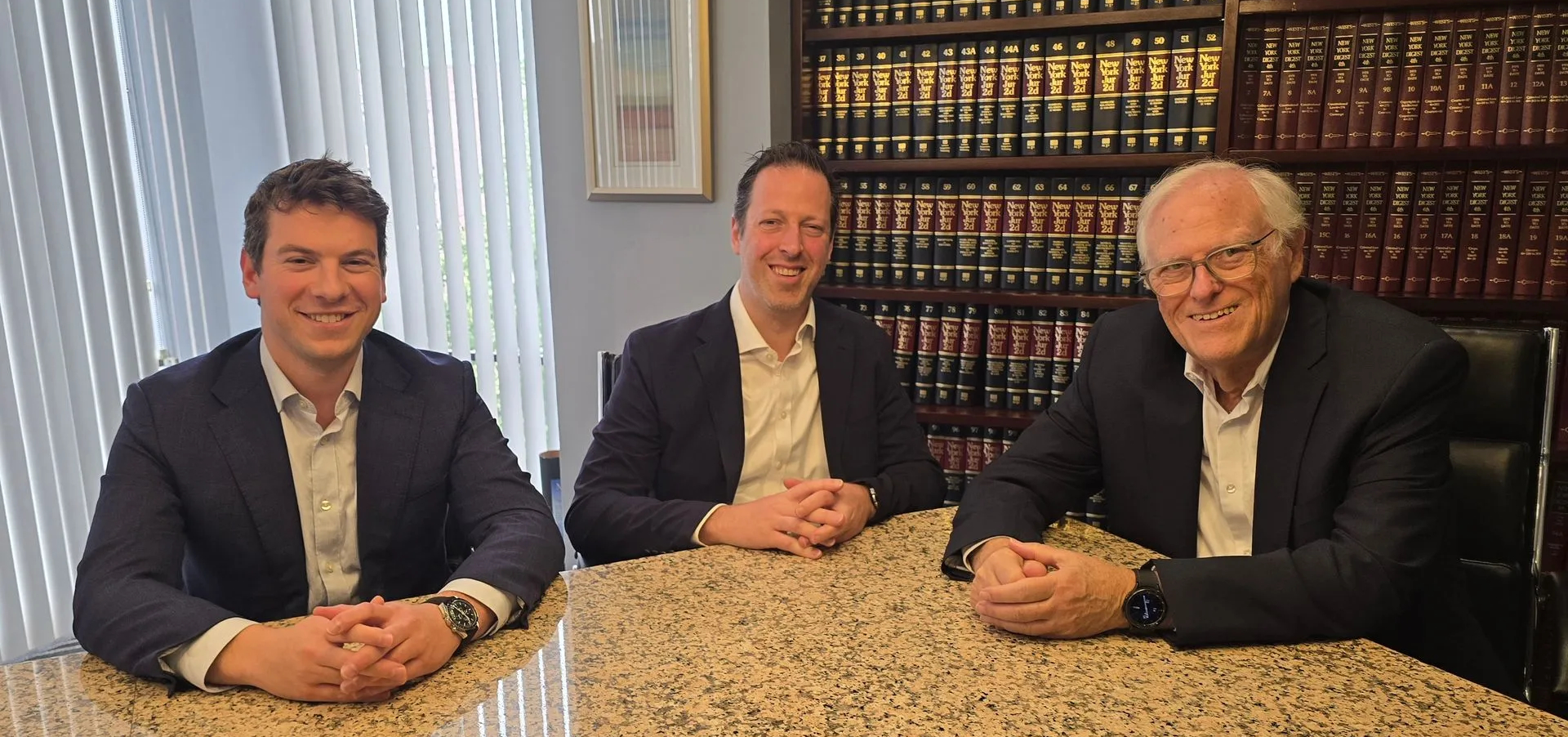
Martin Schiowitz has tried premises liability cases across Nassau and Suffolk Counties for over five decades. Co-founded the firm in 1978. J.D. from New York Law School. Admitted 1973. Peer-selected Super Lawyer. Member of NYSTLA and the New York State Academy of Trial Lawyers. Multimillion-dollar verdicts across practice areas.
Jeremy Schiowitz spent years on the defense side before becoming a plaintiff attorney. He knows the arguments property owners and their insurers will make because he used to make them. Over 16 years litigating. J.D. from Brooklyn Law School. Super Lawyer since 2014. Top One Percent, NADC. 10 Best Attorneys in New York.
Over $200 Million in Recoveries
Our firm’s total recoveries exceed $200 million across all practice areas. Premises liability cases, particularly those involving serious injuries on commercial property, can produce substantial recoveries. We pursue every dollar from every responsible party.
Contingency Fee. No Exceptions.
Contingency fee. Free consultation. No retainer. No hourly rate. If we don’t recover for you, you owe nothing.
What Our Clients Say
★★★★★
“Jeremy Schiowitz was my lawyer for a Slip-and-Fall case. He was so patient with me and fought hard to get me the best compensation I can get. I would highly recommend them for there expertise, professionalism and experience.” — Moshe Hershkowitz
Read more reviews on our Google Business Profile.
Types of Premises Liability Cases We Handle on Long Island
 Premises liability covers a wide range of accidents and injuries beyond slip and fall cases. Here are the types of claims we handle across Nassau and Suffolk Counties:
- Slip, trip, and fall injuries. Wet floors in grocery stores. Ice on an unsalted parking lot. A cracked sidewalk in front of a business. Loose carpeting in an apartment hallway. Uneven pavement in a shopping center. Falls are the most common premises liability claim, and the property owner’s failure to address the hazard, or warn about it, is what creates liability. Our firm has extensive experience with these cases on Long Island, including claims governed by the storm in progress doctrine and constructive notice rules.
- Inadequate security. When a property owner fails to provide reasonable security and a visitor is assaulted, robbed, or otherwise harmed by a third party’s criminal act, the property owner may be liable. This applies to apartment complexes, parking garages, shopping malls, bars, nightclubs, and hotels. The key question is whether the criminal act was foreseeable given the property’s history. Prior incidents of crime at the location, broken locks, missing lighting, and absent security personnel are all relevant evidence. Long Island’s shopping centers, transit hubs, and apartment complexes see these claims regularly.
- Building code violations. New York’s Multiple Dwelling Law and local building codes impose specific requirements on property owners. Missing handrails. Broken fire escapes. Inadequate lighting in stairwells. Code violations don’t just create dangerous conditions. They create legal presumptions of negligence that strengthen your case significantly.
- Dog bite injuries. New York follows a mixed liability rule for dog bites. The owner of a dog with known “vicious propensities” is strictly liable for injuries the dog causes. For dogs without a documented history of aggression, the victim must prove the owner was negligent, such as by allowing the dog off-leash in violation of local leash laws. Nassau and Suffolk Counties both have leash ordinances that can support these claims.
- Elevator and escalator accidents. Building owners who fail to maintain elevators and escalators in safe working order can be held liable for injuries caused by malfunctions, sudden stops, door failures, and falls. These cases often involve complex maintenance records and require expert analysis of the mechanical failure. The entity responsible for elevator maintenance may share liability with the building owner.
- Swimming pool accidents. Drownings and near-drownings at apartment complexes, hotels, public pools, and private residences. Missing fencing. Absent lifeguards where required. Defective drain covers. Slippery pool decks without adequate drainage. Property owners who maintain pools have heightened duties, particularly when children are involved.
- Toxic exposure and environmental hazards. Lead paint in older apartment buildings. Mold from unaddressed water damage. Asbestos exposure during renovations. Chemical spills on commercial property. These cases involve both premises liability and potentially product liability theories.
- Construction site injuries to non-workers. When a pedestrian, delivery driver, or neighboring property occupant is injured by conditions at a construction site, premises liability applies. Falling debris. Open excavations without barriers. Equipment left in walkways. The property owner and general contractor typically share responsibility.
- Amusement park and recreational injuries. Long Island’s numerous recreational facilities, from beach clubs to amusement parks to trampoline centers, owe visitors a duty of reasonable care. When rides malfunction, equipment breaks, or conditions are unsafe, the operator is liable for injuries that result.
- Wrongful death from premises hazards. When a dangerous property condition kills someone, whether through a fatal fall, a fire caused by code violations, a drowning, or an assault enabled by inadequate security, the family has two years to file a wrongful death claim.
Who Can Be Held Liable in a Premises Liability Case?
The answer isn’t always the property owner, though it usually starts there. Multiple parties can share liability depending on who controlled the property and who created or ignored the hazard. Identifying every responsible party is important because it expands the pool of available insurance and increases the total potential recovery.
Property owners bear primary responsibility. They have a duty to inspect, maintain, and repair dangerous conditions on their property or warn visitors about them.
Tenants may be liable if they lease and control a portion of the property. A commercial tenant responsible for maintaining their own space can be held accountable for hazards within it.
Property managers hired to oversee maintenance, repairs, and safety can be liable when they fail to perform those duties.
Maintenance and cleaning companies that create hazards, such as leaving floors wet without warning signs, or that fail to address hazards they were hired to fix, can share fault.
Government entities that own or maintain public property like sidewalks, parks, government buildings, and roads can be sued, but the 90-day notice of claim deadline under General Municipal Law § 50-e is strict.
What Damages Can You Recover?
The damages available in a premises liability case depend on the severity of your injuries and the circumstances of the accident.
Economic damages include medical bills, surgery costs, rehabilitation, physical therapy, prescription medication, lost wages, future medical expenses, and diminished earning capacity. If the injury required home modifications or adaptive equipment, those costs count too.
Non-economic damages cover pain and suffering, emotional distress, loss of enjoyment of life, permanent scarring or disfigurement, and the long-term impact on your daily activities. A traumatic brain injury from a fall. A fractured rib or hip from slipping on ice. A spinal injury from an elevator malfunction. New York does not cap non-economic damages.
Punitive damages are available in egregious cases. A landlord who knew about a deadly fire hazard and did nothing. A bar owner who continued operating without security after multiple violent incidents. These cases go beyond ordinary negligence.
What to Do After a Premises Liability Injury on Long Island

- Report the incident. Tell the property owner, manager, or staff member about the accident. Ask for the report to be documented in writing. If they refuse, note that.
- Get medical attention immediately. Some injuries, particularly head trauma and internal injuries from falls, are not immediately apparent. The medical record connecting your injuries to this accident starts at the first appointment.
- Document the scene. Photograph the hazard that caused your injury. The wet floor. The broken step. The missing handrail. The icy walkway. Take wide shots and close-ups. Include photos of your injuries. Note the date, time, and weather conditions.
- Identify witnesses. Get names and phone numbers of anyone who saw the accident or who can confirm the hazardous condition existed before your injury.
- Preserve your clothing and footwear. The defense will argue your shoes were inappropriate or that you caused the fall yourself. Keep the shoes you were wearing. They’re evidence.
- Don’t give a recorded statement. The property owner’s insurer will contact you. They are looking for reasons to deny or reduce your claim. Let your attorney handle all communications.
- Contact a premises liability lawyer. A Long Island premises liability attorney can send preservation demands for surveillance footage, maintenance logs, and incident reports before the property owner has a chance to destroy or “lose” them. This evidence is critical, and it disappears fast.
Premises Liability Statistics
Falls are the leading cause of non-fatal injuries in the United States. According to the CDC, over 36,000 people die from falls annually and millions more are injured. For adults over 65, falls are the leading cause of injury-related death. The National Safety Council reports that unintentional fall injuries send roughly 9 million Americans to emergency rooms each year. Hip fractures, traumatic brain injuries, and spinal cord damage are among the most common serious consequences.
On Long Island, the density of commercial properties, apartment complexes, shopping centers, and public spaces creates enormous exposure. The NYS Comptroller’s office has documented that personal injury claims, including premises liability, represent a significant portion of municipal liability payouts across Nassau and Suffolk Counties. Aging infrastructure, deferred maintenance, and the region’s freeze-thaw winter weather cycle all contribute to hazardous conditions on Long Island properties year-round. Commercial corridors along Hempstead Turnpike, Route 110, and Sunrise Highway see heavy foot traffic and a corresponding volume of premises liability incidents.
Property owners who defer maintenance to save money often end up paying far more in lawsuit settlements and verdicts. Jury awards in New York premises liability cases involving serious injuries regularly reach six and seven figures. The cost of fixing a broken step or salting a walkway is a fraction of what a single catastrophic injury claim costs. Our job is to make sure the property owner bears the full financial consequence of their neglect.
Premises Liability Lawyer Long Island FAQs
 What is the “open and obvious” defense?
 What is the “open and obvious” defense?
The property owner argues the hazard was so visible that you should have seen and avoided it. In New York, unlike some other states, this defense does not automatically defeat your claim. A jury can consider the openness of the hazard when apportioning fault under comparative negligence, but it doesn’t bar recovery. You can still win even if the condition was visible. Many premises liability cases involve conditions that were technically visible but dangerous enough that a reasonable property owner should have fixed them regardless.
What if I was trespassing?
Under Basso v. Miller, property owners owe reasonable care to all entrants, including trespassers in some circumstances. The owner cannot set traps or create hidden dangers even for unauthorized visitors. For child trespassers, the “attractive nuisance” doctrine may impose additional duties, particularly involving pools, construction sites, and other hazards that attract children.
Do I have to prove the owner knew about the hazard?
You must prove actual or constructive notice. Actual notice means they knew. Constructive notice means the condition existed long enough that they should have known through reasonable inspection. An experienced attorney knows how to establish constructive notice through maintenance schedules, inspection logs, and the physical characteristics of the hazard itself.
What if a government entity owns the property?
You can sue, but you must file a notice of claim within 90 days of the accident. This is a strict deadline. Missing it almost always bars the claim. If you were injured on a public sidewalk, in a county park, or on government-maintained property, contact an attorney immediately.
What is the storm in progress doctrine?
Under New York law, a property owner generally has no duty to remove snow and ice while a storm is still in progress. They must act within a reasonable time after the storm ends. If you fell during an active snowstorm, this defense may apply. If you fell hours or days after the storm ended and the owner hadn’t cleared the ice, it does not.
Can I sue my landlord?
Yes. Landlords have a duty to maintain common areas like hallways, stairwells, lobbies, parking lots, and walkways in reasonably safe condition. If a dangerous condition in a common area caused your injury, the landlord is likely liable. The Multiple Dwelling Law imposes specific maintenance obligations on residential property owners.
Can I recover if I was partly at fault?
Yes. New York’s pure comparative negligence system under CPLR § 1411 reduces your recovery by your percentage of fault but doesn’t eliminate it. Even at 60% fault, you recover 40% of your damages.
What if surveillance footage shows the accident?
Surveillance footage is often the single most important piece of evidence in a premises liability case. It can show how long the hazard existed, whether the owner knew about it, and exactly how the accident happened. But property owners routinely overwrite footage within days or weeks. An attorney can send a preservation demand to prevent this.
How much does a premises liability lawyer cost?
Nothing upfront. Contingency fee. If we don’t win, you don’t pay.
Local Resources for Premises Liability Victims on Long Island
 The following resources may be helpful after a premises liability injury on Long Island. Inclusion does not constitute an endorsement by Isaacson, Schiowitz & Korson, LLP.
- Nassau County Police — (516) 573-7000
- Suffolk County Police — (631) 852-6000
- Nassau County Building — Building code enforcement and complaints
- NYU Langone–Long Island (Level 1 Trauma, Mineola) — (516) 663-0333
- Stony Brook University Hospital (Level 1 Trauma, Stony Brook) — (631) 444-4000
- New York State Courts — Nassau and Suffolk County Supreme Courts
Contact Isaacson, Schiowitz & Korson
Surveillance footage gets overwritten. Maintenance records vanish. Hazardous conditions get repaired before anyone documents them. The longer you wait to contact an attorney, the harder it becomes to prove what the property owner knew and when they knew it. We move fast on premises liability cases because the evidence demands it. Our firm has spent over four decades holding negligent property owners on Long Island accountable, and we know exactly how to build these cases. Free consultation. Contingency fee. Contact us today.