

Spring Break Travel Safety: Simple Ways to Stay Protected on Your Getaway

Exploring the Three Main Types of Personal Injury Damages

Deciding: Personal Injury Settlements vs. Court

How AI is Reshaping Personal Injury Claims

Halloween Safety: Legal Tips for a Fun & Safe Night

Common Fall Personal Injuries to Be Aware Of

Preventing Sidewalk and Parking Lot Falls in NYC

How long does an accident stay on your insurance in NY?

What happens when you reject an insurance settlement offer?

What happens when your car is totaled but still drivable?

Is New York a No-Fault State?

Can You Switch Lawyers in the Middle of a Car Accident Case?

What is the NY Scaffolding Law?

Concussion lawsuits getting in the game
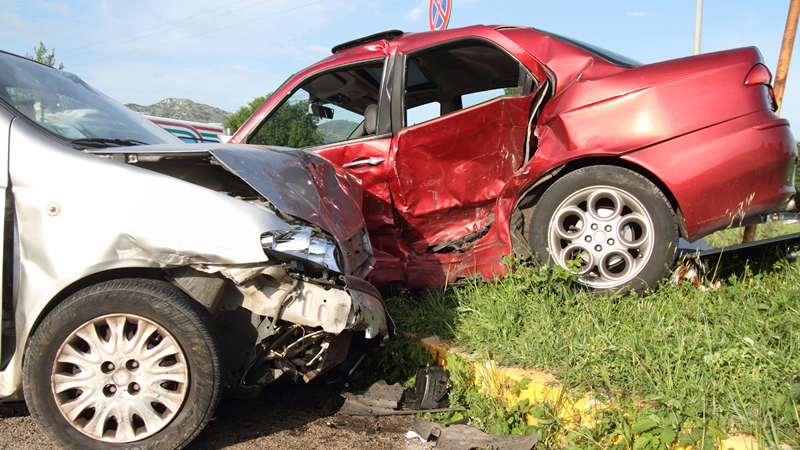
Hiring an Attorney after a Car Accident

5 Top Safety Tips for New Motorcycle Owners
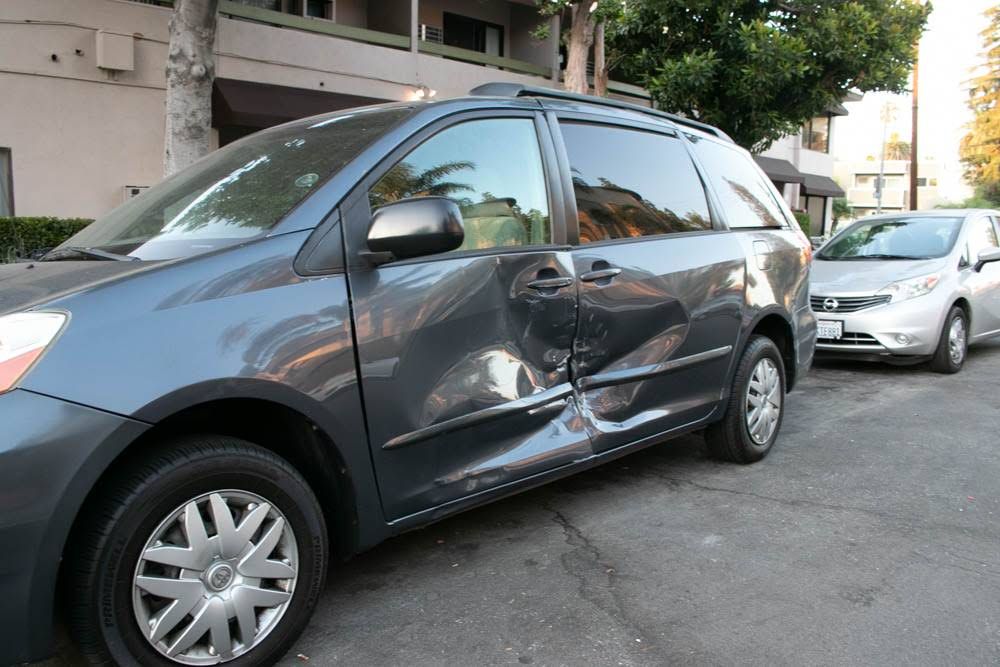
How to Obtain a Car Accident Police Report in New York?

What to Know About a Brain Injury Accident

I Was Hit by a Car as a Pedestrian, What Do I Do?

How Long Can a Lawyer Hold Your Settlement Check?

Is it Illegal to Drive Without a Side Mirror in New York?

What are the Statute of Limitations for Personal Injuries in New York?

What Happens After a Deposition in a Personal Injury Case?

What Is Comparative Negligence Law in NY?

New York Assembly Considers Construction Liability Reform
Special standards apply in motorcycle accidents

How To Get A Police Report Online?
A primer on New York’s no-fault auto insurance

How to Get the Most Money From Insurance for a Totaled Car

Insurance Claim Adjuster Secret Tactics

How Much Compensation for Fractured Ribs?

Boost Your Child’s Safety: Understanding the Booster Seat Requirements in NY
The 4 steps to proving liability in an accident case

Typical Car Accident Settlement Amounts In NYC

Car Insurance With a Lease

What If My Medical Bills Are More Than My Settlement
Choosing the best possible personal injury attorney
Follow through in personal injury cases
How Contingency Fees Work in Personal Injury Cases
How Much Is My Pain And Suffering Claim Worth in New York?

How Much Do Lawyers Usually Take From Settlement In NY?
What Are The Differences between a Criminal and Civil Case?
Do I need to hire a medical malpractice lawyer?
What Is Medical Malpractice?
Hiring a malpractice attorney

The Truth About Uninsured Motorist Coverage
What to Know About Slip and Fall Cases

What Happens When You Get Hit In The Private Area In NYC?

Can I Sue My Employer?

Declaration Page Car Insurance
What Is PIP Insurance?

Insurance On Lease Cars

How Long Does it Take to be a Lawyer in New York?
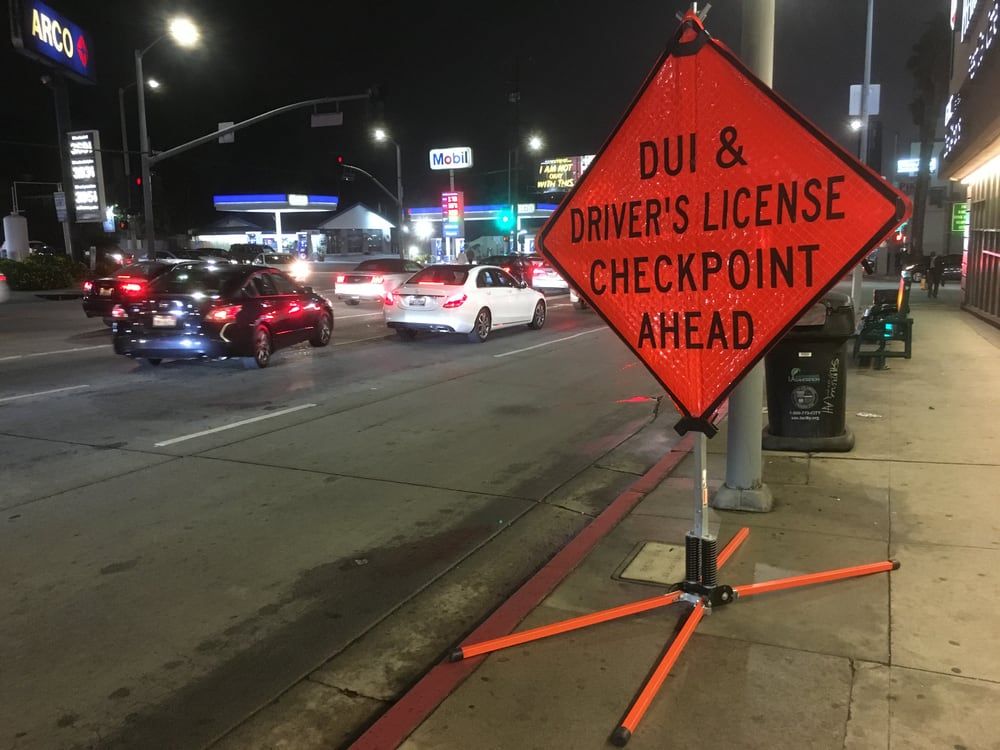
DUI Checkpoints In NYC

MRI Contrast Side Effects

What Is Brake Checking?

Is Brake Checking Illegal in New York?

Stevens-Johnson Syndrome Symptoms

What Are Punitive Damages?

How To Claim Medical Damages After A Construction Accident
What to do in a Product Liability Case
Hiring a Wrongful Death Attorney
What is Municipal Liability?
A Winning Resume
Premises Liability in New York
What to Know About Nursing Home Neglect
Death of Alzheimer’s patient may point to neglect
A closer look at nursing home negligence
Police brutality claims in New York

How to Avoid a Construction Accident

What Happens If I’m Injured in a Bus Accident

What to Expect During a Civil Case
Bedsores are a preventable condition
Determining who is at fault in an elevator accident
In a city of walkers, sidewalk accidents are bound to occur
Who is liable in a bus accident?
Proving negligence is the key in a trip and fall lawsuit
Nursing home neglect can take many forms
What’s the Difference Between Civil and Criminal Cases?
View more