Getting a denial letter from an insurance company after a car accident is frustrating and disorienting, especially when you know you weren’t at fault. But a denial isn’t a final answer. It’s the beginning of a process, and understanding why claims get denied and what you can do about it puts you in a much stronger position to push back effectively.
Why Insurance Companies Deny Car Accident Claims
Denials happen for a range of reasons, some legitimate and some that are essentially negotiating tactics. Common reasons include:
- Disputed liability, meaning the insurer argues their driver wasn’t at fault or that you share responsibility
- Policy coverage disputes, where the insurer claims the accident falls outside the policy’s terms
- Late reporting, if the accident wasn’t reported to the insurer within the required timeframe
- Lack of documentation, when medical records, police reports, or other evidence is incomplete
- Allegations that your injuries were pre-existing rather than caused by the accident
Some of these arguments have merit. Many don’t. Insurance companies are businesses, and denying or minimizing claims is part of how they protect their bottom line. A denial letter often reflects a financial calculation more than a genuine legal analysis.
Read the Denial Letter Carefully
The denial letter has to state a reason. Read it closely. That reason tells you exactly what the insurer is disputing and where your response needs to focus. A liability dispute requires different evidence than a coverage dispute, and a pre-existing condition argument requires a different counter than a late reporting claim.
Don’t respond to the insurer directly before you understand what you’re dealing with. Saying the wrong thing or providing incomplete information can make the situation harder to fix later. If you’re unsure how to interpret the letter, a Rockville Centre car accident lawyer can break it down and tell you exactly what you’re up against.
Your Options After a Denial
You have several paths available, and which one makes sense depends on the specific reason for the denial and the strength of your evidence.
Internal Appeal
Most insurers have a formal appeal process. Submitting additional documentation, stronger medical evidence, or a more detailed account of how the accident occurred can sometimes resolve a denial without litigation. It’s worth exploring, but don’t expect a quick reversal without compelling new information.
File a Complaint With the New York Department of Financial Services
If you believe the denial was made in bad faith or violates New York insurance regulations, you can file a complaint with the state’s Department of Financial Services. This won’t directly force the insurer to pay, but regulatory pressure sometimes changes the calculus for larger insurers who want to avoid scrutiny.
Pursue Your Own Uninsured or Underinsured Motorist Coverage
If the at-fault driver’s insurer has denied your claim, your own policy’s uninsured motorist coverage may apply depending on the circumstances. Review your own policy carefully, or have an attorney do it, before assuming you’re out of options.
File a Lawsuit
When administrative options are exhausted or clearly insufficient, litigation is the path to fair compensation. New York’s statute of limitations for car accident claims is generally three years from the date of the accident. Don’t let that window close while you’re waiting to see if the insurer changes its position.
How an Attorney Changes the Dynamic
Insurance companies respond differently when an attorney is involved. They know that an experienced litigator can take the case to trial, that juries in New York can award significant damages, and that the cost of fighting a well-prepared claim often exceeds the cost of settling it fairly.
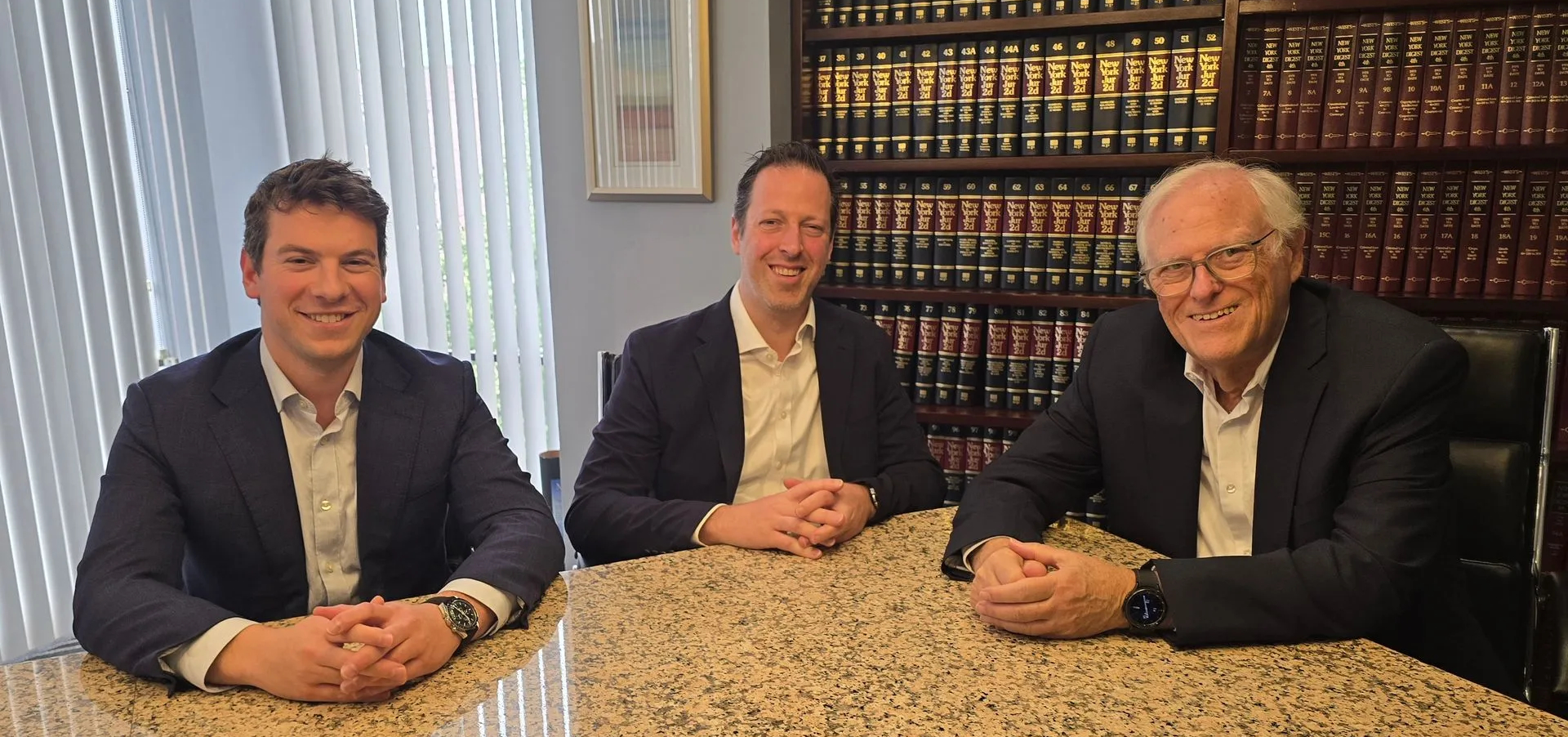
Isaacson, Schiowitz & Korson, LLP has spent decades representing injured New Yorkers against insurance companies that would rather deny than pay. The firm knows how to identify the weaknesses in an insurer’s position, gather the evidence needed to counter their arguments, and move toward litigation when that’s what it takes to get a fair result.
If your claim has been denied and you’re not sure what to do next, speaking with a Rockville Centre car accident lawyer is the most practical step you can take right now.