Nursing Home Abuse Lawyer Long Island, NY
When you place a parent or grandparent in a nursing home, you trust that facility with their safety, their dignity, and their life. When that trust is violated through physical abuse, sexual assault, emotional cruelty, financial exploitation, or neglect so severe it causes injury or death, the law gives you the right to fight back.
Nursing home abuse is not limited to one type of harm. It includes everything from a staff member striking a resident to a facility that chronically understaffs its floors until patients fall, develop infections, or waste away from malnutrition. The common thread is a failure to protect someone who cannot protect themselves. Neglect takes many forms, and the legal response must be equally broad. At Isaacson, Schiowitz & Korson, LLP, we have represented injury victims across Nassau County, Suffolk County, and the broader New York area since 1978. We understand New York’s nursing home laws, the regulatory framework that governs these facilities, and the legal tools available to hold them accountable. If you need a nursing home abuse lawyer Long Island, NY families rely on, contact us for a free consultation. Every case is on contingency. You pay nothing unless we win.
Types of Nursing Home Abuse We Handle on Long Island
Abuse in Long Island nursing homes takes many forms. Some are obvious. Others are hidden behind locked doors, falsified records, and staff who know the family only visits on weekends. Here are the types of cases we see in Nassau and Suffolk Counties:
- Physical abuse. Hitting, shoving, slapping, kicking, or the use of excessive force during routine care like bathing or transferring. Unexplained bruises, fractures, welts, or cuts on a resident who cannot explain how they happened are warning signs. New York defines physical abuse as the non-accidental use of force that results in bodily injury, pain, or impairment.
- Sexual abuse. Any non-consensual sexual contact with a resident, including those who are cognitively impaired and cannot consent. This is criminal conduct under New York law. Signs include unexplained injuries to the genital area, emotional withdrawal, fear of specific staff members, and behavioral changes that have no medical explanation.
- Emotional and psychological abuse. Threatening, intimidating, humiliating, isolating, or belittling a resident. Yelling at a patient with dementia. Ignoring call lights as punishment. Restricting family visits without medical justification. The harm doesn’t leave visible marks, but it destroys a person’s sense of safety and dignity.
- Financial exploitation. Stealing a resident’s money, jewelry, or personal belongings. Forging signatures on checks or legal documents. Misusing power of attorney. Coercing changes to a will. Financial abuse often goes undetected because the victims are cognitively impaired or too afraid to report it.
- Neglect. The failure to provide basic care. Inadequate nutrition and hydration. Failure to assist with hygiene. Leaving residents in soiled clothing or bedding for hours. Not providing prescribed medication. Ignoring signs of infection. Neglect is the most common form of nursing home abuse and frequently results in bedsores, dehydration, falls, and preventable infections. When neglect is severe enough to cause death, a wrongful death claim may follow.
- Medication errors. Wrong medication. Wrong dosage. Missed doses. Double doses. Administering medication not prescribed by the treating physician. Medication errors can cause severe adverse reactions, organ damage, and death. When they result from understaffing or inadequate training, the facility bears responsibility. These cases often proceed as medical malpractice claims with distinct procedural requirements.
- Fall injuries from inadequate supervision. Nursing home residents who are at risk for falls require supervision, assistive devices, and sometimes bed alarms or one-to-one monitoring. When a facility fails to implement a proper fall prevention plan and a resident falls and breaks a hip, a wrist, or suffers a head injury, the facility is liable.
- Elopement and wandering. Residents with dementia or cognitive impairment who wander away from the facility. When a nursing home fails to secure exits, monitor at-risk residents, or implement wandering prevention protocols, and a resident leaves the building and is injured or dies from exposure, the facility’s negligence is the cause.
- Improper use of restraints. Physical or chemical restraints used without a physician’s order, without medical justification, or as a substitute for adequate staffing. Tying a resident to a bed or chair because there aren’t enough aides to provide supervision is abuse, not care.
- Wrongful death from abuse or neglect. When nursing home abuse or neglect kills a resident, the family has two years to file a wrongful death claim. These cases often involve sepsis from untreated infections, falls resulting in fatal head trauma, or the cumulative effects of prolonged malnutrition and dehydration.
New York Laws That Protect Nursing Home Residents
New York provides multiple layers of legal protection for nursing home residents. Understanding these laws is essential to building a strong case.
Public Health Law § 2803-c establishes the Nursing Home Residents’ Bill of Rights. It guarantees every resident the right to be treated with dignity and respect, freedom from abuse and neglect, quality medical care, privacy, the right to manage their own financial affairs, the right to voice complaints without retaliation, and the right to participate in their own care planning. A violation of any of these rights can form the basis of a legal claim.
Public Health Law § 2801-d creates the private right of action. Any nursing home that deprives a resident of a right or benefit established by state or federal law is liable for injuries caused by that deprivation. This statute provides for compensatory damages, minimum statutory damages calculated at 25% of the daily per-patient rate, punitive damages for willful or reckless conduct, and attorneys’ fees. It is a separate cause of action that can be filed alongside negligence and medical malpractice claims.
10 NYCRR Part 415 sets the state-level minimum standards for nursing home operations. These regulations cover everything from resident assessment and care planning to nursing services, dietary services, and infection control. Violations of these standards are evidence of a deprivation of rights under § 2801-d. The NY health regulations are detailed and specific.
42 CFR § 483 is the federal regulation that applies to every nursing home accepting Medicare or Medicaid. It requires that each resident receive care to maintain their highest practicable level of physical, mental, and psychosocial well-being. The CMS enforces these rules through inspections, deficiency citations, and fines.
Penal Law §§ 260.32 and 260.34 make it a crime to endanger the welfare of a vulnerable elderly, incompetent, or physically disabled person. Section 260.34 is a Class D felony carrying up to seven years in prison for caregivers who intentionally or recklessly inflict serious physical injury. Criminal prosecution runs parallel to the civil case and does not prevent you from suing.
PHL § 2803-d requires mandatory reporting of abuse, mistreatment, and neglect in nursing homes. Staff members who witness or suspect abuse are legally required to report it. Failure to report is itself a violation and can indicate a culture of concealment at the facility.
The CPLR § 214. Medical malpractice carries a two-and-a-half-year limit. PHL § 2801-d claims have a three-year period. Wrongful death claims must be filed within two years.
Why Choose Isaacson, Schiowitz & Korson?
 We Hold Facilities Accountable
 We Hold Facilities Accountable
Nursing homes employ lawyers whose sole job is to protect the facility from liability. They’ll argue the resident’s injuries were unavoidable, that the family is exaggerating, that staffing was adequate. Our Long Island injury lawyers pull the records that tell the real story: the staffing logs, the incident reports, the state inspection histories, the care plans that weren’t followed.
Experienced Trial Attorneys
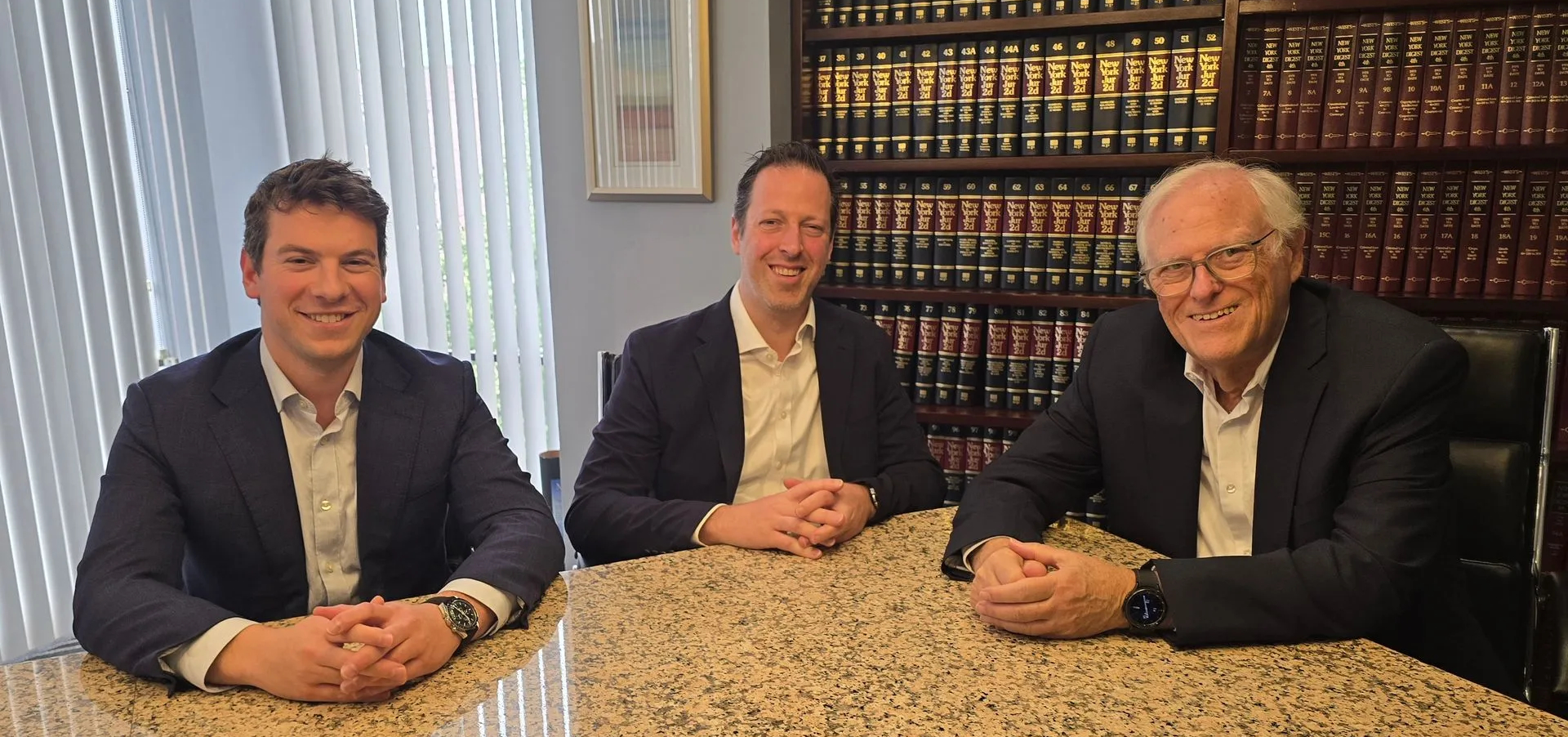
Jeremy Schiowitz worked defense before joining the plaintiffs’ side. He spent years learning how facilities and their insurers construct their arguments. Now he uses that knowledge to dismantle them. Over 16 years of litigation. J.D. from Brooklyn Law School. Super Lawyer since 2014. Top One Percent, NADC. 10 Best Attorneys in New York.
Martin Schiowitz co-founded the firm in 1978 and has tried cases on Long Island for over 50 years. J.D. from New York Law School. Admitted 1973. Peer-selected Super Lawyer. Member of NYSTLA and the New York State Academy of Trial Lawyers.
Over $200 Million in Recoveries
Our firm’s total recoveries exceed $200 million across all practice areas. Nursing home abuse cases involving severe injury or death can produce substantial recoveries including compensatory damages, statutory minimums, and punitive damages when the conduct was willful.
No Fee Unless We Win
Contingency fee. Free consultation. No retainer. No hourly rate. If we don’t recover compensation, you owe nothing.
What Our Clients Say
★★★★★
“Wonderful experience, Jeremy Schiowitz is extremely knowledgeable, professional, responsive & available at any time. Right from day one, Jeremy was helpful and addressed all my questions and concerns; I felt at ease and he gave me confidence and belief that I deserved nothing but the best and he delivered!” — Elizabeth Real
Read more reviews on our Google Business Profile.
What Damages Can You Recover in a Nursing Home Abuse Case?
The damages in a nursing home abuse case depend on the type of abuse, the severity of the harm, and whether the facility’s conduct was willful or reckless.
Economic damages cover the cost of treating injuries caused by the abuse. Medical bills. Hospital transfers. Surgery. Rehabilitation. Psychiatric treatment for emotional trauma. The cost of relocating the resident to a safer facility. If the abuse resulted in wrongful death, economic damages include funeral expenses and the loss of the resident’s financial contributions to the family.
Non-economic damages address the resident’s suffering. The pain of physical injuries. The terror and humiliation of sexual assault. The isolation and despair caused by emotional abuse. The anxiety of living in a place where you don’t feel safe. Pain and suffering damages in nursing home abuse cases can be substantial, particularly when the abuse was prolonged and the resident was unable to report it.
Statutory minimums under PHL § 2801-d provide a baseline recovery calculated at 25% of the facility’s daily per-patient rate for each day the injury exists. Over weeks and months of abuse, these minimums accumulate.
Punitive damages are available when the facility’s conduct was willful or in reckless disregard of the resident’s rights. Chronic understaffing that the administration knew about. A pattern of abuse that went unreported. A cover-up of sexual assault. These facts support punitive awards that can reach into the millions.
Warning Signs of Nursing Home Abuse
Abuse often hides in plain sight. The signs are there if you know what to look for.
Physical indicators: unexplained bruises, welts, or burns, especially on both sides of the body. Fractures that the facility attributes to a “fall” without adequate explanation. Weight loss. Dehydration. Poor hygiene. Soiled clothing or bedding. Bedsores that appear suddenly or worsen rapidly.
Behavioral changes: withdrawal from activities the resident used to enjoy. Flinching when staff approach. Refusing to speak in front of certain caregivers. Unexplained agitation, crying, or depression. Fear of being left alone at the facility after family visits.
Financial red flags: unexplained bank withdrawals. Missing personal belongings. Changes to a will or power of attorney that the resident didn’t initiate. Unpaid bills despite adequate funds.
Facility-level warning signs: high staff turnover. Frequent use of temporary agency workers. Residents left unattended for extended periods. Call lights that go unanswered. A defensive or hostile response when family members ask questions about care. Locked doors that restrict your ability to visit at unscheduled times. Environmental hazards like wet floors, broken handrails, or poor lighting that indicate broader premises liability issues.
What to Do If You Suspect Nursing Home Abuse

- Document everything. Photograph injuries. Record dates, times, and descriptions of what you observe. Note the names of staff members present. Keep a written log of every visit and every conversation with facility personnel.
- Request medical records. The facility must provide them. Review the care plan, incident reports, medication administration records, and nursing notes. Gaps in documentation or records that don’t match what you observe are red flags.
- Report to the NY Department of Health. The state investigates complaints against nursing homes. You can file by phone at 1-888-201-4563 or online. These complaints trigger state investigations that create public records useful in litigation.
- Contact the Long-Term Care Ombudsman. Ombudsmen advocate independently for nursing home residents and can investigate complaints, mediate disputes, and help ensure the resident’s rights are protected.
- Contact law enforcement. Physical abuse and sexual abuse are crimes. If your loved one is in immediate danger, call 911. You can also report to the Attorney General’s Medicaid Fraud Control Unit at (833) 249-8499.
- Contact a nursing home abuse lawyer. An attorney can send preservation demands to the facility, secure records before they’re altered, coordinate with state investigators, and file the civil claim while you focus on getting your loved one to safety.
Nursing Home Abuse Statistics
The scope of the problem is staggering. According to the National Council on Aging, approximately 1 in 10 adults aged 60 and older has experienced some form of elder abuse. Research published in the Annals of Internal Medicine found that over 20% of nursing home residents in the New York metro area experienced mistreatment by fellow residents during a single one-month study period.
The NY Department of Health conducts regular inspections of nursing homes across Long Island. Citations for deficiencies in resident care, staffing levels, and abuse prevention appear regularly. CMS publishes inspection results, staffing data, and quality ratings for every Medicare-certified facility in Nassau and Suffolk Counties.
Understaffing is the root cause of most institutional abuse and neglect. When a facility doesn’t have enough aides on the floor, residents go unmonitored. Medications are missed. Falls happen because nobody is there to help with transfers. Call lights go unanswered. And in the worst cases, frustrated or overwhelmed staff members take out their frustration on the people they’re supposed to be caring for. New York enacted minimum staffing requirements for nursing homes in 2022, mandating 3.5 hours of daily nursing care per resident. Many facilities still fail to meet that standard. The facilities that cut staffing to increase profits are the ones where abuse and neglect are most likely to occur, and they’re the ones we go after hardest.
Nursing Home Abuse Lawyer Long Island FAQs
 What’s the difference between abuse and neglect?
 What’s the difference between abuse and neglect?
Abuse involves an affirmative act that causes harm: hitting, sexually assaulting, emotionally tormenting, or financially exploiting a resident. Neglect involves the failure to act: not providing adequate food, not repositioning a bedridden patient, not administering medication, not supervising a fall-risk resident. Both are legally actionable. Both can be the basis for claims under PHL § 2801-d, negligence, and medical malpractice theories.
Can I sue the nursing home if a staff member abused my loved one?
Yes. Under New York’s respondeat superior doctrine, the nursing home is vicariously liable for the acts of its employees committed within the scope of employment. The facility can also face direct liability for negligent hiring, inadequate supervision, or failure to investigate prior complaints against the staff member.
What if the nursing home says the injury was unavoidable?
That’s their affirmative defense under PHL § 2801-d. The burden is on them to prove they “exercised all care reasonably necessary” to prevent the harm. In our experience, facilities that claim unavoidability rarely produce the documentation to support it.
Can I file a criminal complaint AND a civil lawsuit?
Yes. Criminal prosecution and civil litigation run on separate tracks. A criminal case is brought by the state to punish the abuser. A civil case is brought by the family to recover damages for the resident. You don’t have to choose between them.
What is the Long-Term Care Ombudsman?
An independent advocate for nursing home residents. Ombudsmen investigate complaints, mediate disputes, and monitor care quality. Every nursing home in New York is required to provide residents with access to the Ombudsman program at no cost.
What if my loved one has dementia and can’t tell us what happened?
Many abuse victims cannot communicate what they’ve experienced. The evidence comes from medical records, injury patterns, behavioral changes, staff testimony, surveillance footage, and expert analysis. An experienced nursing home attorney knows how to build these cases without a victim who can testify.
How do I check a nursing home’s record?
Use the CMS Care Compare website. It shows inspection results, deficiency citations, staffing levels, and overall quality ratings for every Medicare-certified nursing home on Long Island.
How much does a nursing home abuse lawyer cost?
Nothing upfront. Contingency fee. If we don’t win, you don’t pay.
Local Resources for Nursing Home Abuse on Long Island
 The following resources may be helpful if you suspect nursing home abuse on Long Island. Inclusion does not constitute an endorsement by Isaacson, Schiowitz & Korson, LLP.
- NY Dept. of Health — Nursing home oversight; complaint hotline: 1-888-201-4563
- Long-Term Care Ombudsman — File a complaint on behalf of a resident
- NY Attorney General — Elder abuse resources and MFCU hotline: (833) 249-8499
- Adult Protective Services — Report abuse of vulnerable adults in the community
- CMS Care Compare — Nursing home inspection results and quality ratings
- New York State Courts — Nassau and Suffolk County Supreme Courts
Contact Isaacson, Schiowitz & Korson
If your loved one is being abused or neglected in a Long Island nursing home, every day you wait is a day they remain in danger. We have fought for vulnerable people across Nassau and Suffolk Counties for over four decades. We can help you report the abuse, secure the evidence, move your family member to a safer facility if needed, and pursue the legal claim that holds the facility financially accountable. Free consultation. Contingency fee. Call us now.